Learning Pathway: Microbiome Bioinformatics

Sequencing Methodologies

An overview of next-generation sequencing approaches used in microbiome research (e.g., 16S rRNA amplicon sequencing and shotgun metagenomics) and how study design choices affect downstream processing, analysis, and interpretation.

Introduction to Interfaces

Getting comfortable with the computational environment used in this course. We’ll cover the basics of working in R/RStudio, organizing projects, and navigating scripts, packages, and file inputs/outputs.

Data Processing and Quality Control

Practical steps for preparing microbiome sequencing data for analysis: data management, file handling, filtering, trimming, and key QC checks to assess dataset quality and reliability.

Taxonomic Assignments

How sequencing data is mapped to microbial taxa using reference databases and classifiers. We’ll discuss database choice, available applications/tools, and how to interpret taxonomic tables and outputs.

Analysis and Visualization

Methods to summarize and interpret microbiome results, including taxonomy-based summaries and community ecology metrics. Students will learn how to generate clear visualizations and communicate findings.

Bringing It All Together for Your Project

You’ll apply the full workflow you’ve built throughout the course to your own real-world project—moving from processed data to interpretable results.

Learning Materials

Microbiome Sequencing Methods Overview

A quick overview of common microbiome sequencing approaches (e.g., 16S amplicon and shotgun metagenomics) and how method choice affects downstream processing and analysis.

Intro to R: An Interface to Explore Microbiome Data

A quick introduction to using R for microbiome data, including data frames, basic statistical tests, visualization, and installing/loading packages—plus coding practices to reduce errors.

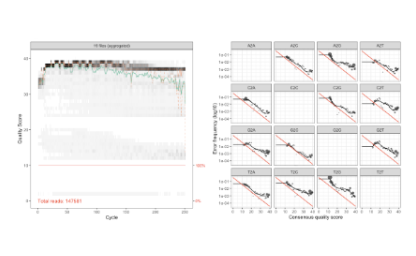
Preprocessing and Quality Check of 16S rRNA Sequencing Data

This session offers a hands-on, guided introduction to microbiome bioinformatics, focusing on transforming raw sequencing data into analysis-ready inputs.